Proper pool maintenance is essential for keeping swimming water clean, safe, and enjoyable throughout the year. Whether the pool is used at home, in a hotel, or in a residential complex, regular care prevents bacteria growth, equipment damage, and costly repairs. A well-maintained pool not only looks attractive but also ensures a healthy swimming environment for everyone.
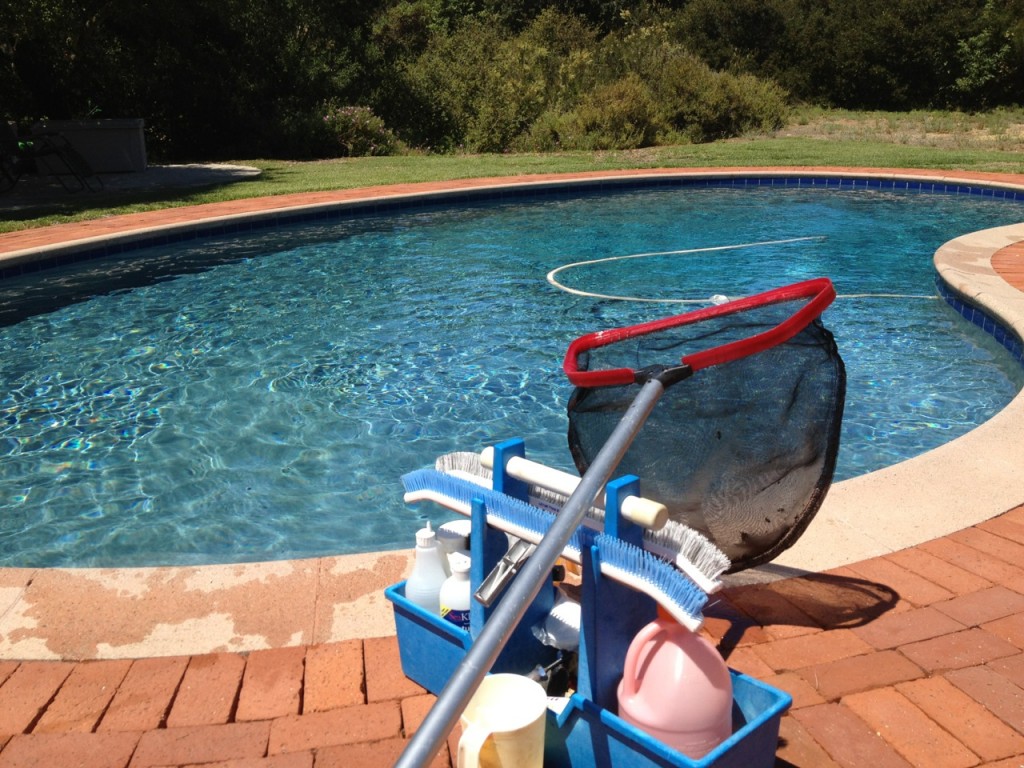
One of the most important parts of pool maintenance is water balance. This includes checking and adjusting pH levels, chlorine, alkalinity, and calcium pool maintenance hardness. When the pH level is too high or too low, it can cause skin irritation and damage pool surfaces. Chlorine is used to kill harmful bacteria and algae, but it must be maintained at the correct level to remain effective without causing discomfort to swimmers. Regular testing using simple pool test kits helps ensure the water stays balanced and safe.
Cleaning the pool regularly is another key step. Leaves, dust, insects, and other debris can quickly collect on the surface and bottom of the pool. Skimming the surface daily and vacuuming the pool weekly helps maintain clarity and prevents clogging of the filtration system. Pool walls should also be brushed to prevent algae buildup, especially in corners and shaded areas where water circulation is weaker.
The filtration system plays a major role in keeping pool water clean. A pool filter removes dirt, small particles, and contaminants from the water. It is important to run the filtration system for several hours each day, depending on pool size and usage. Filters should also be cleaned or replaced regularly to maintain efficiency. Sand, cartridge, and diatomaceous earth filters each have specific maintenance requirements that should be followed according to manufacturer guidelines.
Water level management is another important aspect of pool care. Water naturally evaporates, especially in hot weather, and can also be lost through splashing and backwashing. Keeping the water at the correct level ensures the pump and skimmer work properly. If the water level is too low, the pump may be damaged, while overly high water levels can reduce filtration efficiency.
Seasonal maintenance is also necessary for long-term pool health. In warmer months, pools require more frequent cleaning and chemical balancing due to increased usage and higher temperatures. In colder seasons, pools may need to be covered and winterized to prevent damage from freezing temperatures and debris accumulation.
Regular inspection of pool equipment is equally important. Pumps, filters, heaters, and pipes should be checked for leaks, unusual noises, or reduced performance. Early detection of problems can prevent expensive repairs and extend the life of the equipment.
Overall, effective pool maintenance is a combination of chemical balance, physical cleaning, and equipment care. By following a consistent routine, pool owners can enjoy clean, safe, and inviting water throughout the swimming season while avoiding unnecessary maintenance costs and health risks.